
Inner Peace Training supports system-impacted women in healing past traumas and developing internal resources that strengthen their ability to move forward with clarity and hope.
The program will:
Promote emotional healing
Reduce stress and support nervous system regulation
Build self-worth, personal agency, and resilience
Create community and belonging
Support new identity formation
Equip participants with daily tools for life stabilization
Running for Freedom
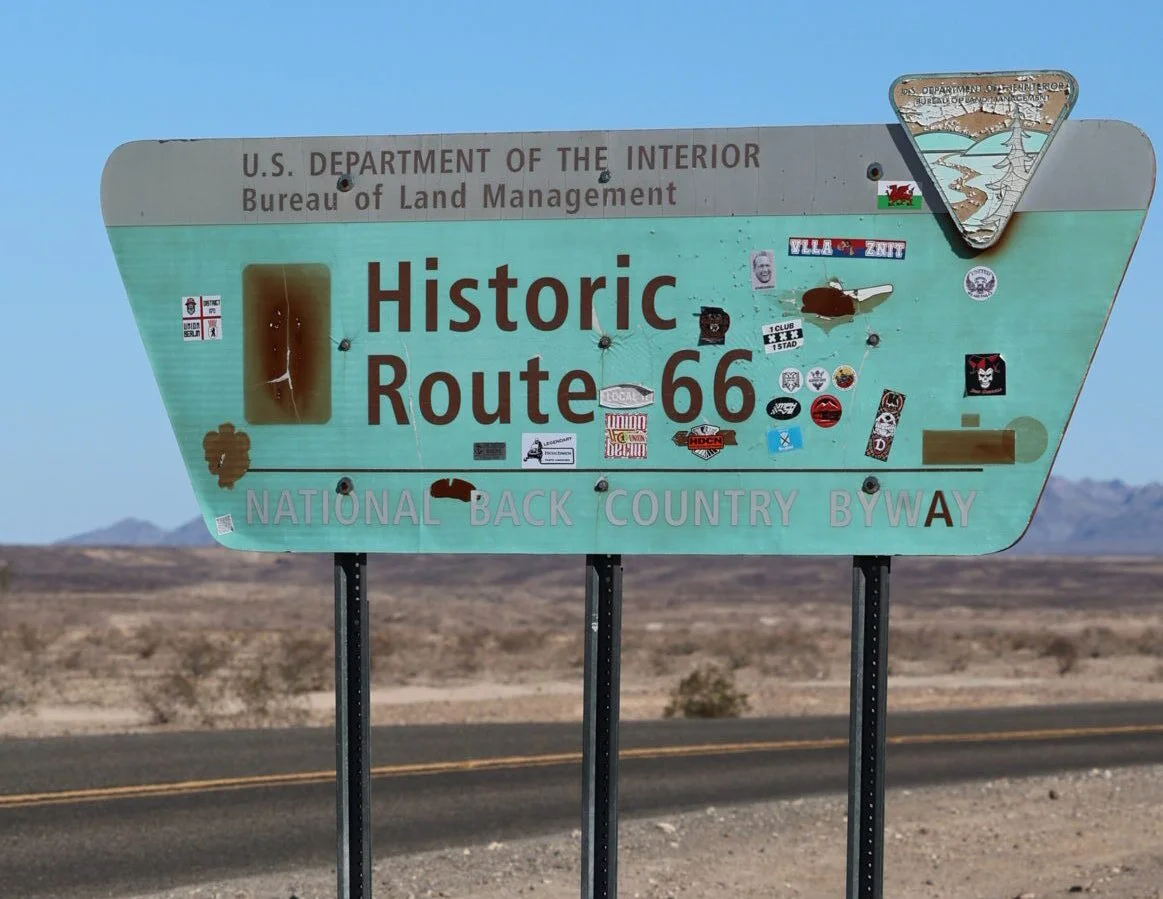
Jenny Stinson, Idaho Justice Project board member and founder of The Peace Room in Boise, is embarking on a fundraising campaign to raise money for the Idaho Justice Project by training for and running a 100-mile ultramarathon on the 100th anniversary of Route 66 in November 2026. This is a powerful metaphor for endurance, transformation, and new beginnings. Just as Route 66 represents passage, resilience, and reinvention, her run will honor the long, courageous journeys of women rebuilding their lives after system involvement. Each mile becomes a statement of restoration — funding the Inner Peace Training Program that helps women reclaim stability, dignity, and inner peace.

The program is customized to meet women in three distinct phases of their justice-system experience to support the unique emotional and practical needs present in each stage:
Incarceration
Parole preparation
Release transition
Why It Is Different
Inner Peace Training is different from traditional education or reentry programming because it focuses on internal transformation, not simply external behavior change. It combines:
Emotional healing
Energetic attunement and stress reduction
Identity rebuilding through story and future visioning